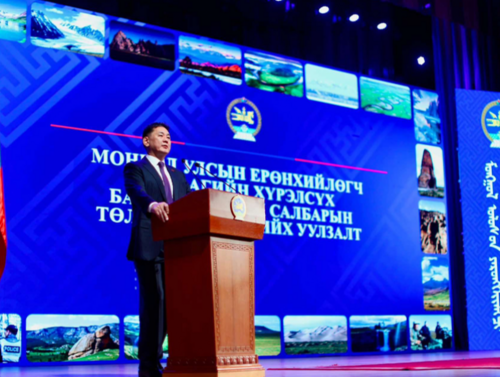
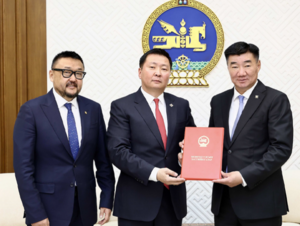
Ерөнхий сайд Н.Учрал “Тэтгэврийн шударга тогтолцооны шинэчлэл”-ийн төслийг УИХ-ын даргад өргөн барилаа
Евроазийн музейн олон улсын анхдугаар чуулган Монгол Улсад болно
Зургадугаар сарын 5-аас цахилгаан, дулааны үнийг таван хувиар нэмж тооцно
Өгөгдлийг эдийн засгийн эргэлтэд оруулах эрх зүйн орчныг бүрдүүлнэ
Хуулийн төслүүдийн эцсийн хэлэлцүүлгийг явуулж, эцэслэн батлах бэлтгэл хангуулахаар Байнгын хороодод шилжүүллээ
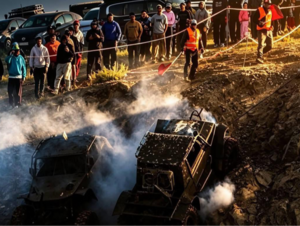
"Тэнгэр" олон улсын наадам зохион байгуулагдаж байна
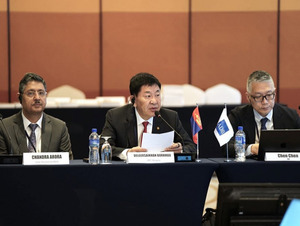
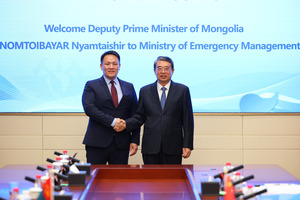
Азийн хөгжлийн банктай хилийн боомтын төсөл, хамтын ажиллагааны чиглэлээр санал солилцлоо
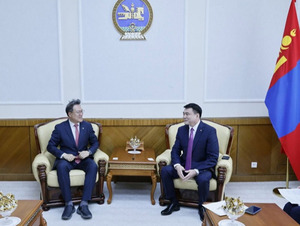
БНСУ-д амьдарч буй монгол иргэдэд хууль зүйн зөвлөгөө мэдээлэл олгоход анхаарч ажиллана
БНХАУ-ын Гадаад хэргийн сайд Ван И Монгол Улсад албан ёсны айлчлал хийнэ
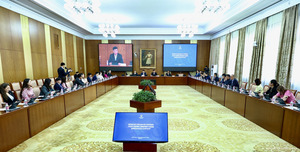
УИХ: Чуулганы нэгдсэн хуралдаанаар
Tsagaan sar
Mongolian Lunar New Year
Tsagaan Sar started as a celebration of dairy goods in the
autumn. However, in 1206, Chinggis Khaan passed a
decree to celebrate it in the first month of every spring.
In the 17th century, Tsagaan Sar was combined with
Buddhist traditions.
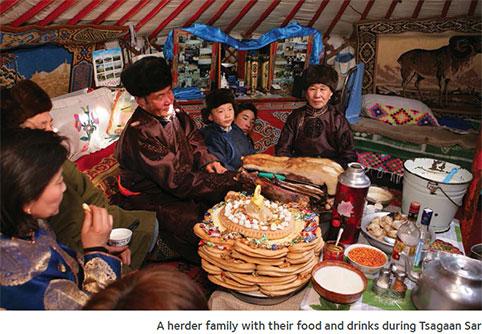
Since then, Tsagaan Sar has become a symbolic festival ith deep political and spiritual meaning. During the festival, people gather with their families at home and show respect to each other through a variety of rituals.
On the day of Bituun, the Eve of Tsagaan Sar, family members gather at the home of the eldest member, share traditional dishes and beverages, and play ancient games
while sharing stories.
On the morning of the first day of Tsagaan Sar, Mongolians wake up before sunrise to make milk tea and offer the first cup to the earth and sky. As soon as the sun rises, family members visit their elders and greet them by supporting the elders’ elbows in their hands, a gesture through which Mongolians express their respect to each other. Everyone then shares traditional Mongolian food and offers goodwill
to each other. Mongolians feel a cultural and spiritual bond with each other through these rituals. This is the value of Tsagaan Sar.
These two festivals, which are passed down from ancestors, are a cultural heritage that all visitors can experience while in Mongolia. These celebrations are used
by Mongolians to pass on history, tradition, and cultural heritage to the younger generation which offers a unique glimpse into a Mongolian life.
Mongolian Lunar New Year
Tsagaan Sar started as a celebration of dairy goods in the
autumn. However, in 1206, Chinggis Khaan passed a
decree to celebrate it in the first month of every spring.
In the 17th century, Tsagaan Sar was combined with
Buddhist traditions.
Since then, Tsagaan Sar has become a symbolic festival ith deep political and spiritual meaning. During the festival, people gather with their families at home and show respect to each other through a variety of rituals.
On the day of Bituun, the Eve of Tsagaan Sar, family members gather at the home of the eldest member, share traditional dishes and beverages, and play ancient games
while sharing stories.
On the morning of the first day of Tsagaan Sar, Mongolians wake up before sunrise to make milk tea and offer the first cup to the earth and sky. As soon as the sun rises, family members visit their elders and greet them by supporting the elders’ elbows in their hands, a gesture through which Mongolians express their respect to each other. Everyone then shares traditional Mongolian food and offers goodwill
to each other. Mongolians feel a cultural and spiritual bond with each other through these rituals. This is the value of Tsagaan Sar.
These two festivals, which are passed down from ancestors, are a cultural heritage that all visitors can experience while in Mongolia. These celebrations are used
by Mongolians to pass on history, tradition, and cultural heritage to the younger generation which offers a unique glimpse into a Mongolian life.
0 Сэтгэгдэл